
SUSTAINABILITY TRENDS
The New Value of Waste:
Why 2026 Is Favoring Upcycling Over Disposal
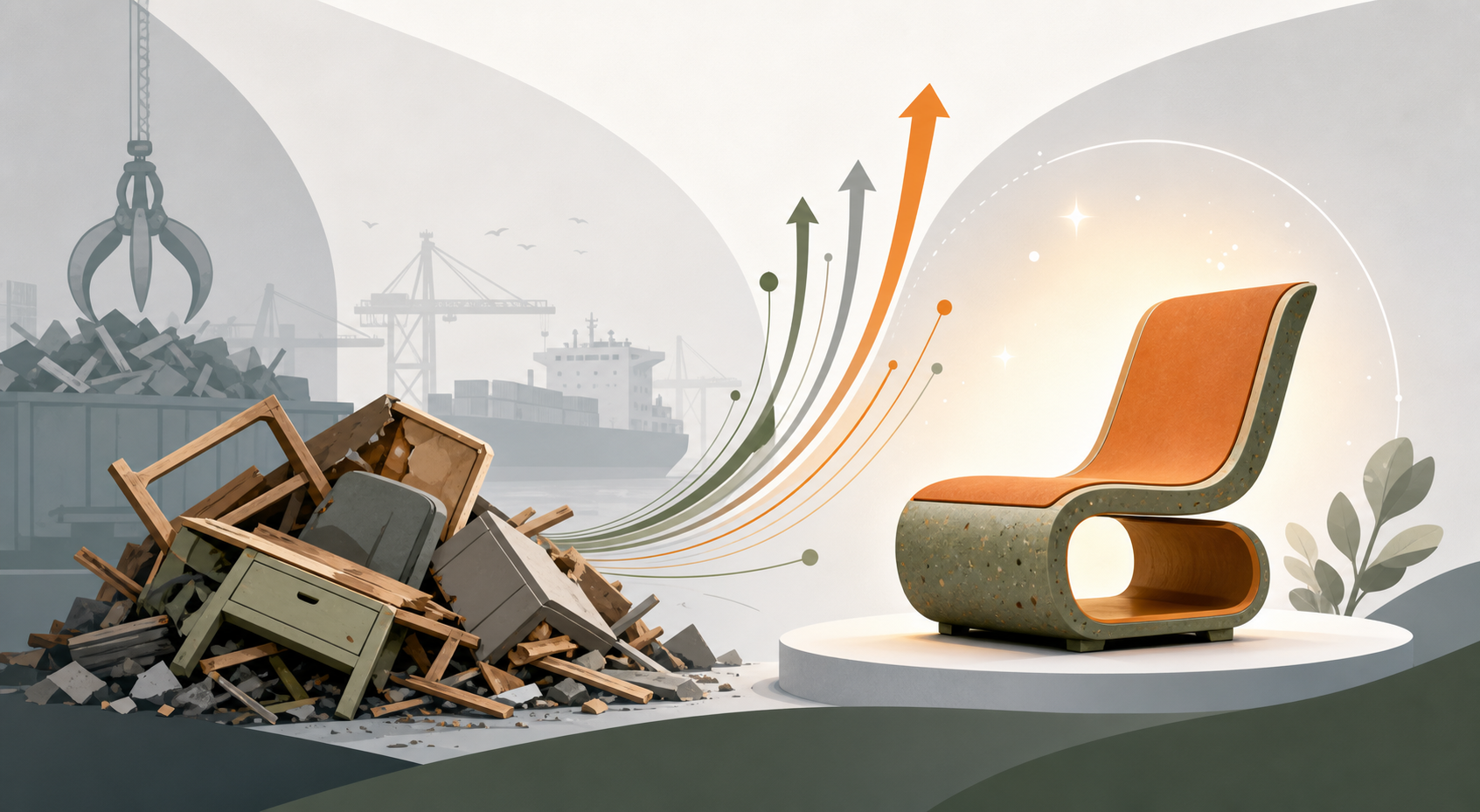
Waste isn't what it used to be. In 2026 Netherlands, it's raw material.
The Port of Rotterdam is proving it at scale: recovering materials from industrial streams and feeding them back into production. National research is pushing collaborative circular business models that treat "waste" as an asset. And sustainable design forecasts predict upcycling will dominate interiors because it combines environmental wins with unique aesthetics.publications.portofrotterdam+2
The shift is clear: disposal is losing. Transformation is winning.
Why upcycling beats disposal in 2026
Disposal — even efficient recycling — is a dead end. Material gets downcycled into lower-value uses, energy is spent processing it, and the original object's character is lost.
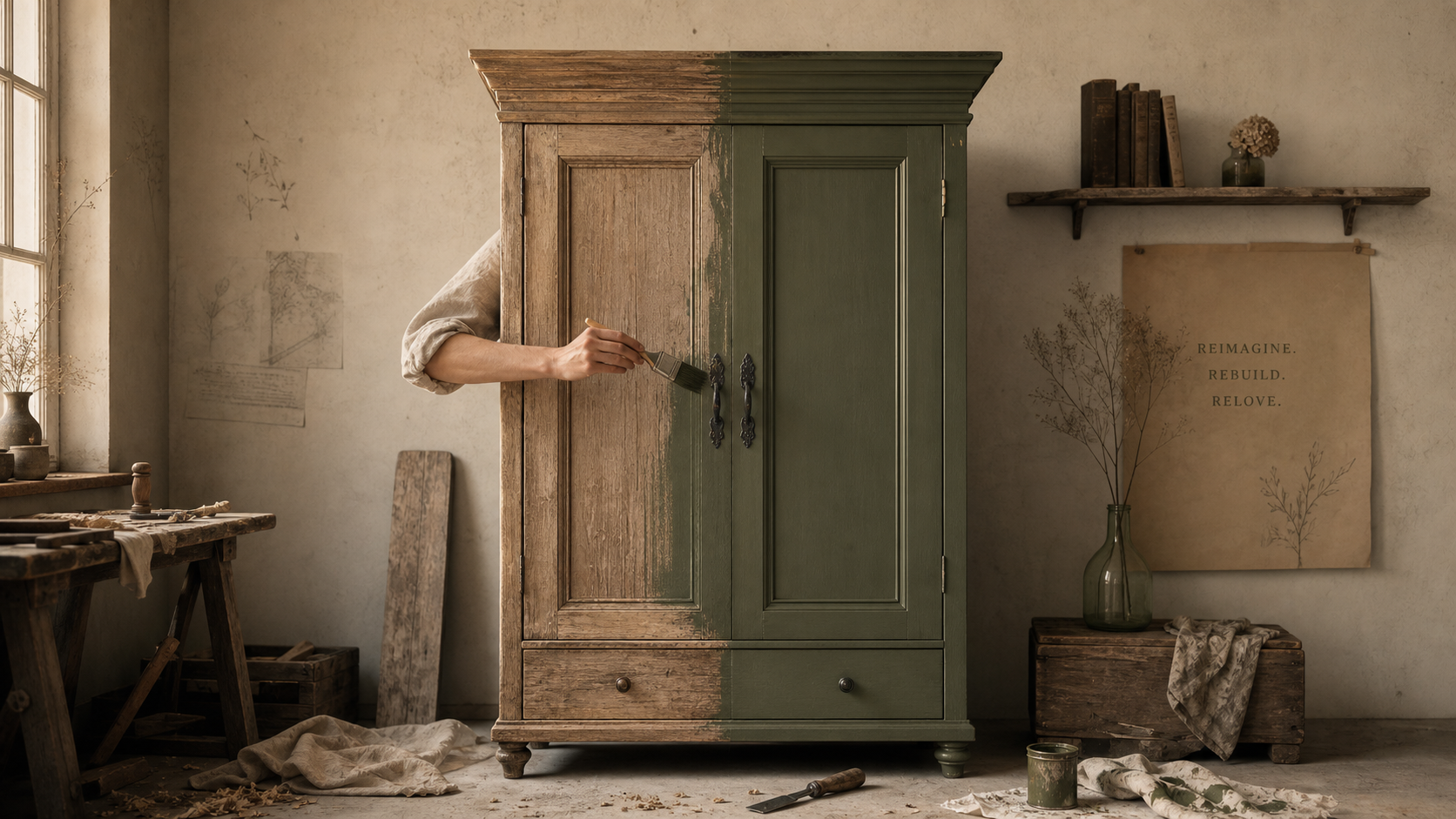
Upcycling flips that equation. A €1 kringloop chair becomes a €300 custom piece. The material stays local. The energy input is mostly human skill. And the result carries forward the object's history while gaining new function and beauty.
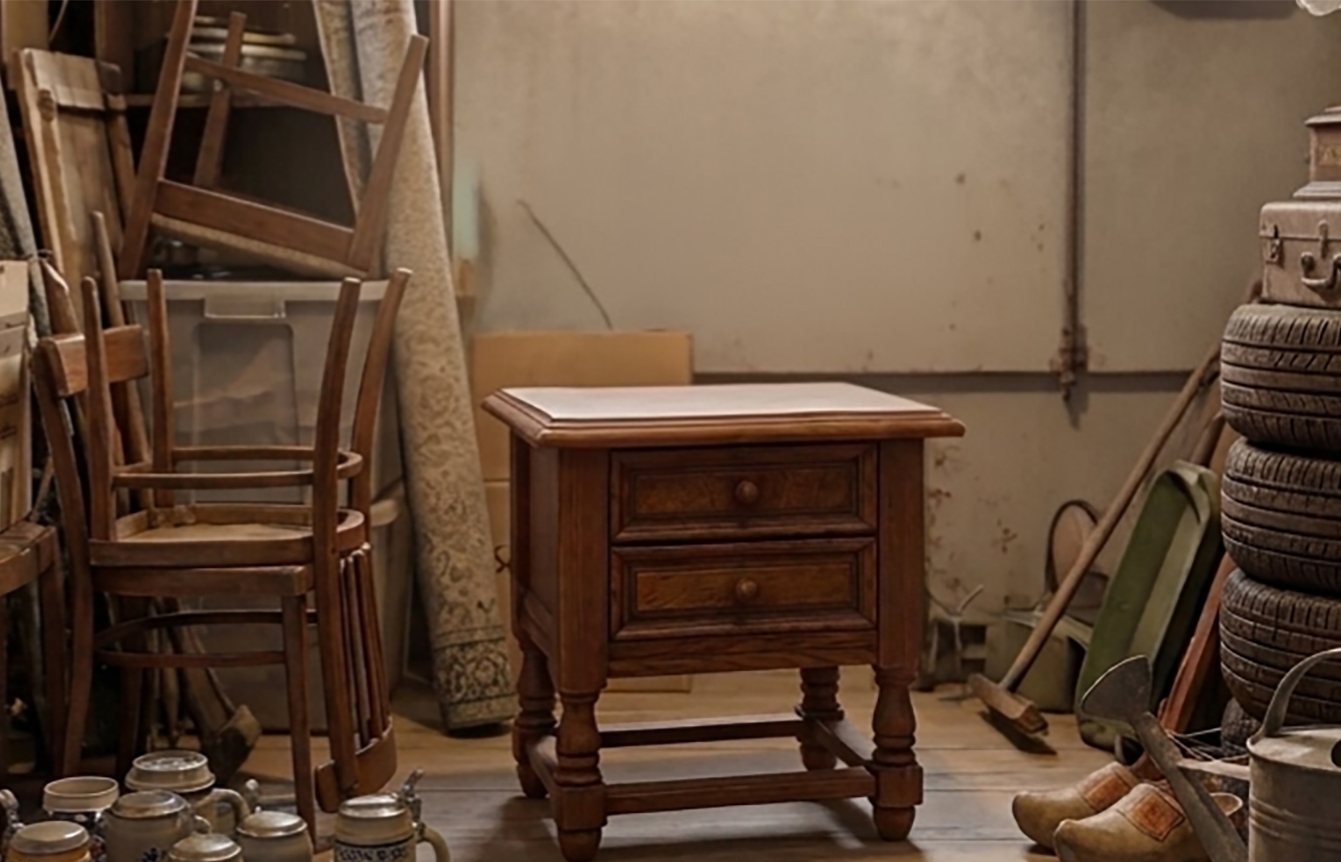
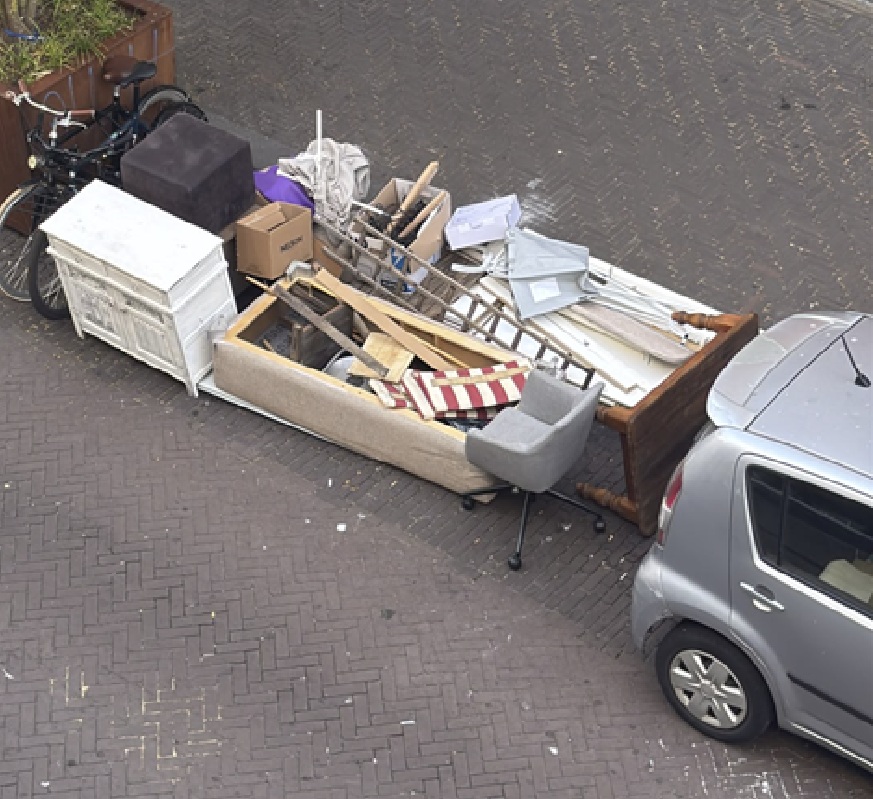
Dutch furniture waste proves the opportunity: 247 million kilograms discarded yearly, 63% reusable. That's not a disposal challenge. That's a design opportunity sitting in garages across the country.
The 2026 design pivot
Sustainable trends this year favor "reclaimed luxury" — objects with visible patina, known provenance, and craft marks. Consumers want pieces that tell a story of recovery, not mass production. Platforms that connect those consumers with local makers are positioned perfectly.
ArtCycle is that platform. Upload your item. Artists propose transformations that respect its history while unlocking its potential. Keep it, resell it, or pass it on. The loop closes with higher value than where it started.
Business models that scale
Circularity in 2026 demands new economics. Not charity donation, but paid commissions for skilled work. Our model takes 15-20% per project, leaving artists with sustainable income and customers with heirloom-quality results. Early traction — 6 projects, repeat interest — shows it works.
As Dutch resource transition accelerates, expect more platforms like this: matching surplus materials with craft capacity, creating value at every step.
Waste revalued
The Port of Rotterdam calls it "waste as raw material." We call it a chair that was almost discarded, now the focal point of a living room.
In 2026, that's not a nice idea. That's the new baseline.
Turn your waste into worth. [Get artist proposals →]
Sign in to your ArtCycle account to leave a comment.
Sign in to comment ↗