
A personal story about memory, materials, and why some objects deserve a second life.
By Hanaa Yazdi, Founder of ArtCycle
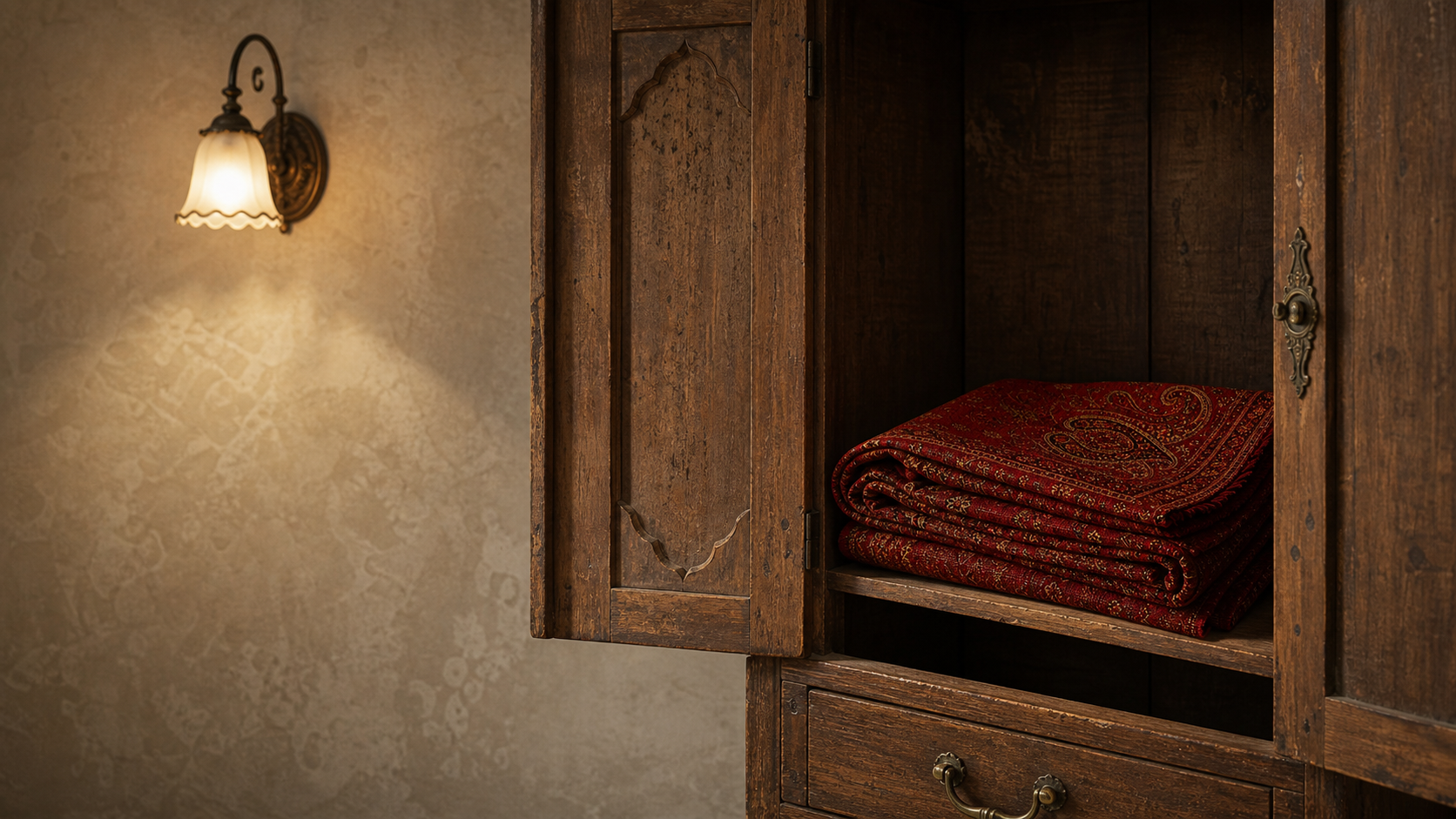
For years, a piece of fabric sat folded in the back of a closet, waiting for someone to admit it was worth more than storage.
It wasn't useless. That was the strange part. The material was still good, still soft, still exactly what it had always been. It was simply too meaningful to use carelessly, and too impractical to wear as it was. So it stayed folded, taken out occasionally, looked at, and put away again.
I never thought of it as something to give up on. I'm not sure I ever will.
Long before there was a company called ArtCycle, there was a habit I couldn't shake: looking at something everyone else had already decided was finished, and wondering what it might still become. It's not really a talent. It's closer to stubbornness. I trained it without quite meaning to, in a different field entirely: restoring historical buildings. The whole discipline is built on refusing to let go of things too easily.
In heritage restoration, you never ask whether a building is worth keeping. The building is the point. You ask how. How to keep a crack in the facade without pretending it isn't there. How to preserve a hundred years of wear without freezing it in place. How to let a structure keep living without erasing what it has already lived through.
It's patient work, and humbling. Eventually it teaches you that damage and value are not opposites.
So when it came to that fabric, I didn't see something too precious to touch. I'd taken it out just often enough to never quite forget it existed. What I saw was material nobody had gotten around to using yet.
I sewed it myself, by hand, evenings mostly, into something simple: a garment I could actually wear, not a museum piece kept folded away out of fear of wearing it out. When people saw it finished, nobody gave the polite kind of compliment people offer out of obligation. What I got instead was something closer to relief.
You were right, someone said. It really was worth it.
I've thought about that sentence more than almost anything else in the years since, because I think it names something a lot of people feel quietly and rarely say out loud. Most of us suspect, somewhere, that the things we've put away still have something left to give. We just don't trust the suspicion enough to act on it. We wait for someone else to tell us we're not being ridiculous.
That gap, between what people already sense and what they need permission to believe, is where ArtCycle was born.
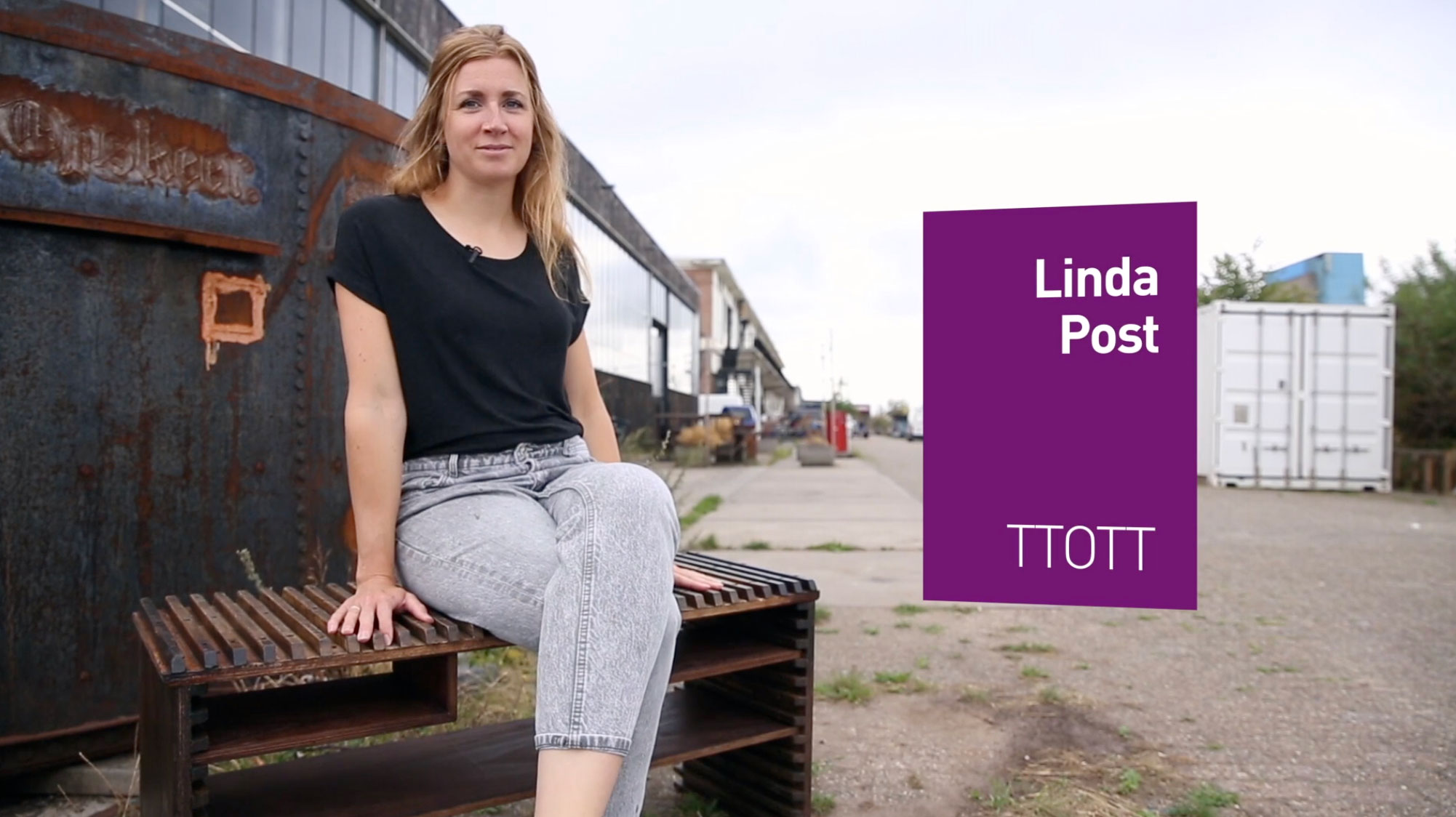
Rotterdam turned out to be the right place to build it. This is a city that has never been shy about tearing itself down and putting itself back together; ask anyone here and they'll tell you, half proudly and half exhausted, that something is always under renovation. That restlessness produces an enormous amount of material that still has life in it, and, it turns out, a fair number of people determined not to let that life go to waste. A few kilometres from where I work, Linda Post is turning salvaged bridge steel and old escalator treads into furniture that carries the city's memory with it. Different material, same instinct: don't let the good stuff disappear just because the moment it belonged to is over.
I moved to the Netherlands without much of a plan beyond the work itself, which meant starting over in almost every practical sense: new language, new rules, new networks built one conversation at a time.
There is something clarifying about being the unfamiliar thing in a place for a while. You get better at noticing value other people have stopped seeing, maybe because you spend a lot of that time being looked past yourself.
ArtCycle takes that discipline, the one I learned restoring buildings and relearned with a needle and thread, and applies it to the objects sitting in your home right now. The dresser nobody wants to open a conversation about. The sideboard that's "fine, just not really us anymore." The chair or table that's been waiting, patiently, for someone to say it's worth another look.
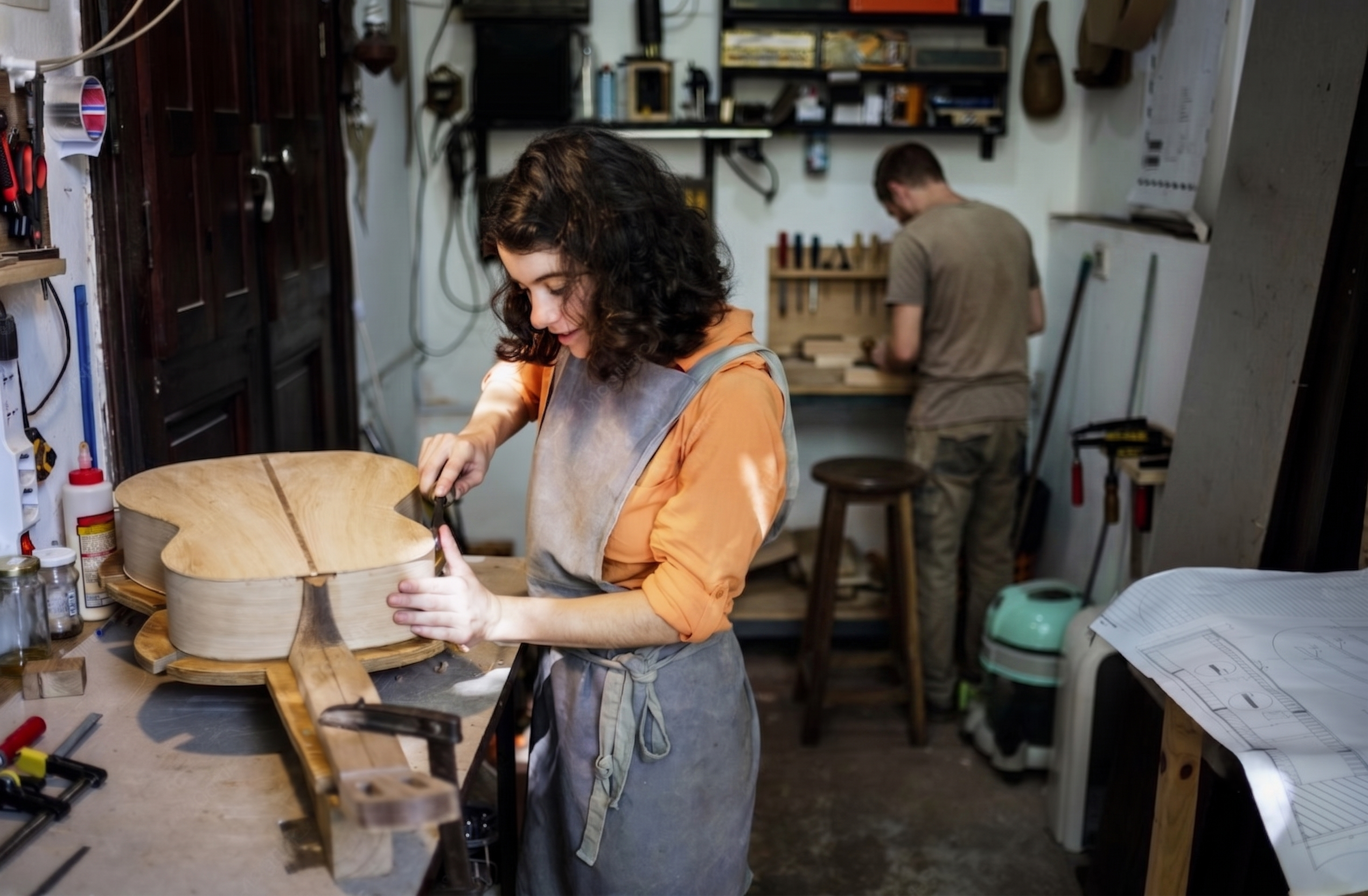
We connect those objects with local artists who see exactly what I saw in that fabric, not a repair job, but material with one more chapter left in it. What changes isn't the object. It's who's willing to look.
If you've got something like that in your own storage room or closet, that hesitation you feel about getting rid of it is worth listening to.
Upload your item and see what a local artist would make of it. Most people hear back with proposals within 48 hours.
Sign in to your ArtCycle account to leave a comment.
Sign in to comment ↗