
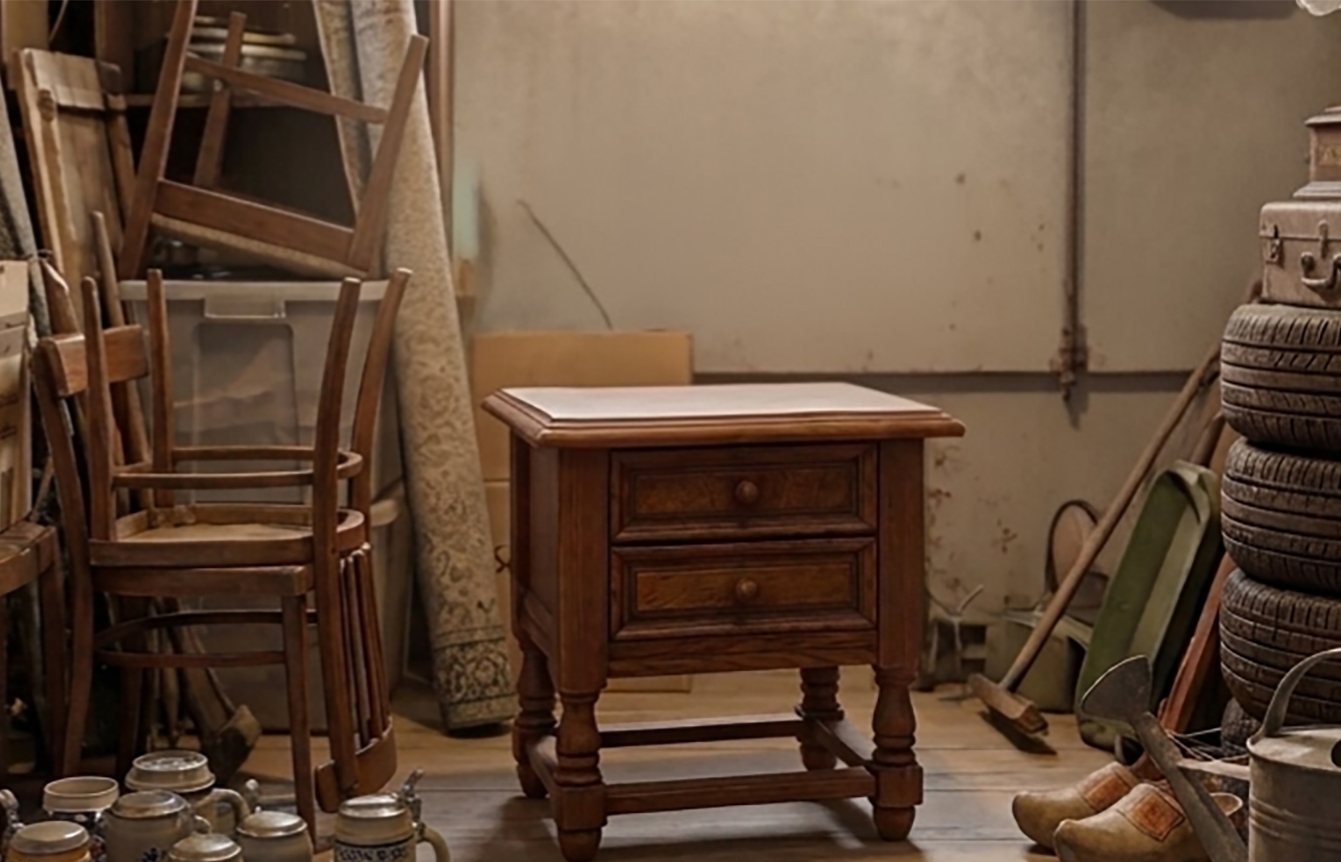
A dresser that would sell for twenty euros secondhand doesn't sound like something worth agonising over. And yet somewhere in a lot of homes, there's exactly that: an object nobody else would look at twice, and an owner who won't get rid of it — not under any real pressure, not because it's useful in its current form, but because it was their grandmother's, or it moved with them through four apartments, or they like the way the morning light lands on it.
The Question a Price Tag Can't Answer
That gap, between what a stranger would pay for something and what it's actually worth to the person who owns it, isn't a new observation. Plenty has already been said about why people hang onto things a price tag can't explain. What gets talked about a lot less is what to actually do with that feeling once you're ready to act on it, rather than just naming it.
What Actually Happens After You Hit Upload
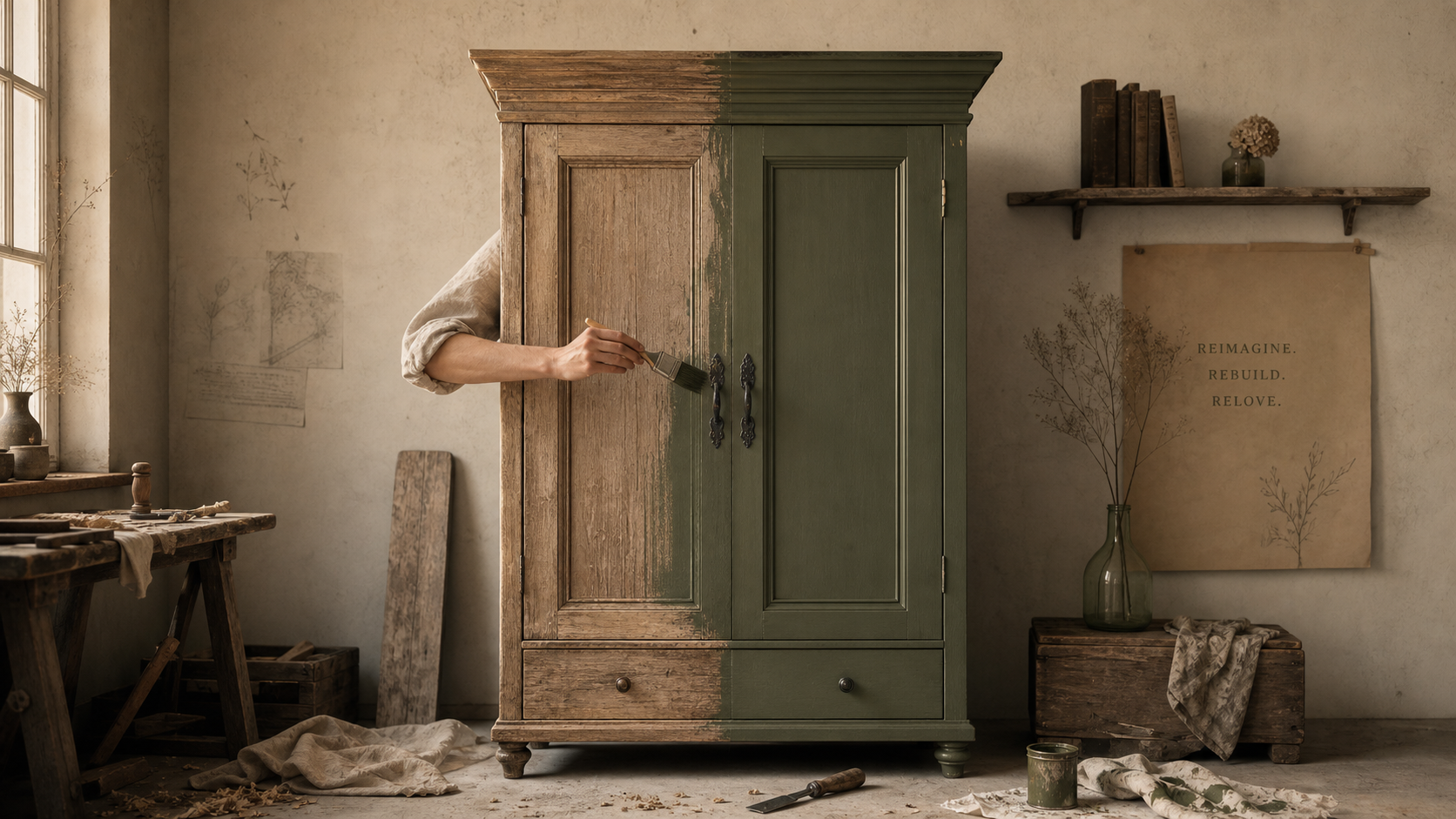
When someone uploads an item to ArtCycle, they're not just submitting a photo and a category. They're asked what the piece means to them: whose it was, why it's stayed this long, what about it is worth keeping even though the frame, the fabric, or the finish clearly isn't working anymore. That context doesn't disappear into a customer-service form. It goes to the artist matched to the piece, and it becomes part of the actual brief they design from.
The difference shows up immediately in the instructions themselves.
Instruction A
"Make this look modern."
Instruction B
"This was my grandmother's kitchen table — keep the burn mark near the left leg. She left it there, and I never wanted it sanded out."
Same piece of furniture, two completely different results. The first produces a nice table. The second produces the table its owner actually wanted — one that still carries what made it worth keeping in the first place, just usable again.
What Recycling Can't Ask
This is the part recycling, resale, and generic repaint services structurally can't do: they process an object, not a reason. A drop-off point doesn't ask why you kept something for fifteen years before finally admitting the drawer sticks. An artist, working directly with the person who owns the piece, can — and what they hear changes what they make.
If there's a twenty-euro dresser in your life you've never quite been able to explain, the honest move isn't defending that feeling to yourself. It's telling someone who can actually do something with it.
Tell Us Why It Matters
Upload your item, and tell us the story behind it. That's the part of the brief no algorithm can fill in.
Get Started →

Sign in to your ArtCycle account to leave a comment.
Sign in to comment ↗