
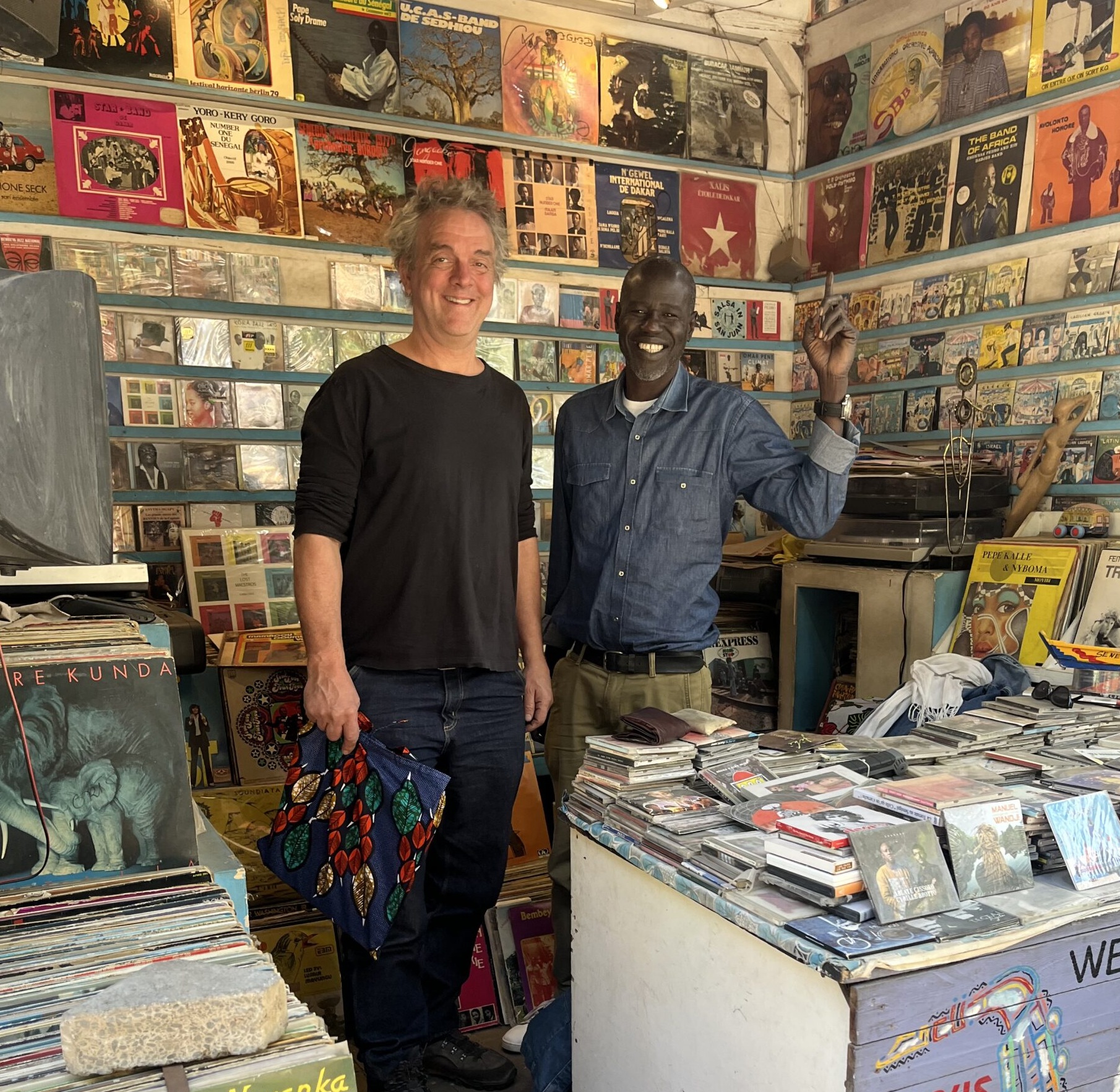
Dutch designer Piet Hein Eek traveled to Dakar on a whim. A lost key changed everything.
Piet Hein Eek, the Dutch designer who built a career from salvaged wood and discarded things, has embarked on his most personal project yet: a slow, stubborn bridge between Eindhoven and Dakar.
There is a particular type of person who, upon losing their house keys somewhere in the Atlantic Ocean off the coast of Senegal, does not panic. They walk to the nearest gate, find a stranger, find another stranger through that stranger, make three phone calls in broken French, and an hour later — sunburned, shoeless, and perfectly at ease — sit down for dinner as if the whole episode were simply the evening's best anecdote.
Piet Hein Eek is that type of person.
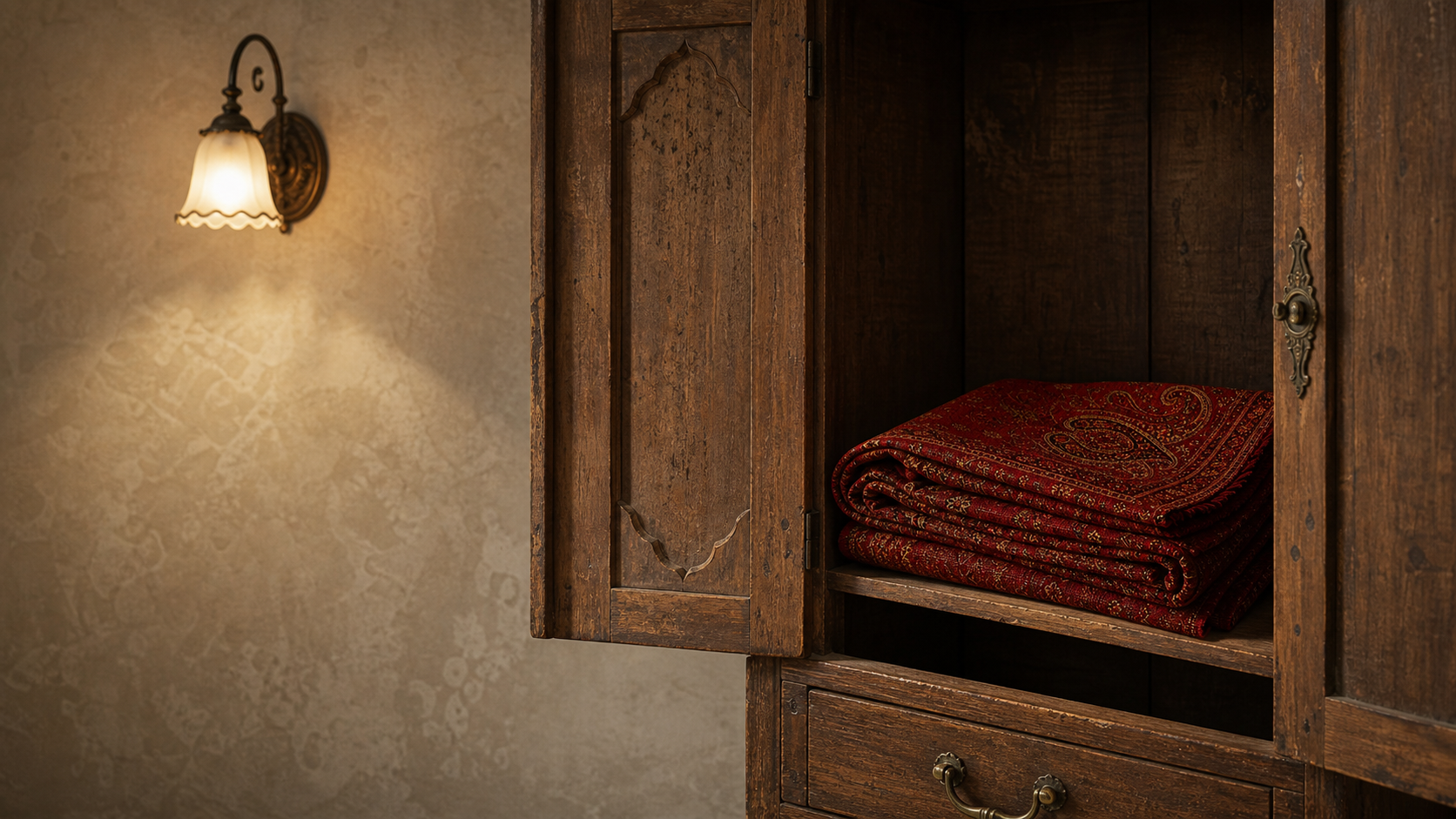
He is 57 years old, born in Holland, and for more than three decades one of Europe's most quietly radical designers. He graduated from the Design Academy Eindhoven in 1990 with a cupboard built entirely from salvaged floorboards and demolished-building planks — a piece that most of his professors thought was an oddity, and that the rest of the design world would spend the next thirty years trying to understand. When the co-founders of Droog spotted it at their very first Milan show in 1993, something shifted. Not immediately, and not loudly. But it shifted.
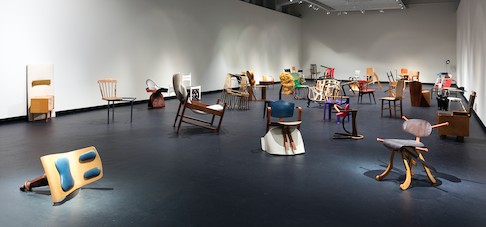
Today, his factory occupies a former ceramics plant in Eindhoven. Dozens of craftspeople work there. His scrapwood furniture — rough-edged, honest, and assembled from wood that no one else wanted — has been sold around the world, to collectors, to hotels, and once, incidentally, to a famous musician named Pharrell Williams, who bought an entire record dealer's stock in Dakar and, in a separate transaction, purchased from Eek's studio what Eek describes as "the fanciest table and chairs we ever made." The prices, he is quick to note, did not go up.
The trip to Dakar was a gift. Not in the commercial sense — in the old, generous one. All three of Eek's daughters were promised a journey of their choosing as a reward for something achieved. The two eldest, wise to their father's obsessions, chose Japan. His youngest, Geertje, chose something different. They had spoken for years about attending the Dak'Art Biennial — the great African contemporary art festival held every two years in Senegal's coastal capital. When Geertje finished her studies, she said: that.
The biennial, as fate and African bureaucracy conspired, had been moved. No matter. Father and daughter flew Brussels to Dakar anyway, checked into a half-crumbling 1970s hotel that jutted into the sea, and began walking.
What Eek found in Dakar was not what most European design tourists find. He was not collecting masks. He was not on a sourcing trip for "authentic" objects to re-package for a Western market. He was, to use his own word, fascinated — by the city's anarchy, by the unfinished concrete that seemed to be the country's true national building material, by the yellow-and-black taxis that should by any mechanical logic have stopped running fifteen years ago, by the fish market where entire families made a living sorting plastic by hand under open sky.
He was also, almost despite himself, looking for something he couldn't yet name.
The key incident happened in Saly, a coastal resort an hour south of Dakar, where Eek and his daughter had gone to stay in a house belonging to a French friend. He went swimming with loose change and house keys in his swim shorts — something he admits he always does, because it has always somehow worked out. This time it didn't.
The search for a solution involved a neighbor's gardener, a woman named Pauline who emerged from a white car down the road, several telephone calls via proxy through different continents, and eventually a man named Serigne, who arrived grinning, holding a spare set of keys like a trophy.
It was through this chain of strangers that Eek met Rama, whose full name is Pauline — a designer and entrepreneur who grew up in Senegal, has run her own boutique selling African fabrics and handmade bags, and knows — in the specific, non-transferable way that only comes from decades of living somewhere — how things actually get done there. She knows which craftsman is reliable. She knows what a fair price looks like before the conversation begins. She knows when to be patient and when to be, as Eek writes, "strict but fair."
"Every product is a story," Eek has said about his design philosophy. Rama, it turned out, understood stories.
The project that emerged from all of this — the lost keys, the wrong hotel, the long walks down the wrong street — is called Eindhoven Dakar. It is part design collaboration, part cultural exchange, part stubborn act of optimism from a man who has been building things from materials other people threw away his entire life.

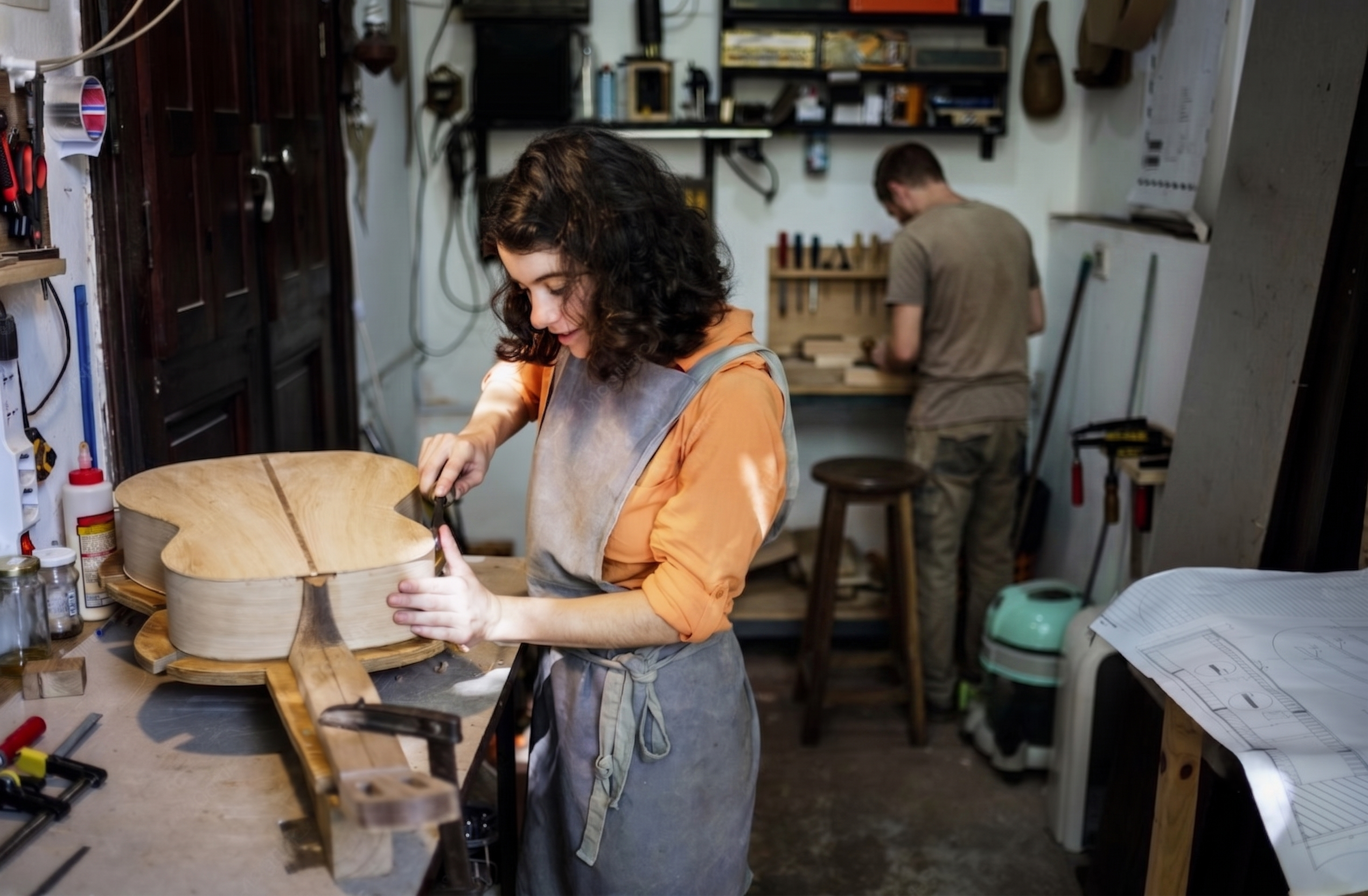
By the time of his second trip to Dakar, in November 2024, the project had taken on real shape. With Rama as his guide and collaborator, Eek visited aluminum foundries in the city's steel district, where craftsmen punch holes in metal with a hammer and a pin, squatting in the sand. He sat with a weaver in Thiès who works on a hand loom and explained, patiently, why a stripe cannot always be placed in the center of a fabric. He watched a father and son straighten and re-bend a steel chair frame by feel alone — no molds, no jigs — because steel is expensive and labor is not, and because they had been doing this long enough to know, by hand, what a right angle feels like.
He commissioned a rattan lamp from a craftsman named Dramé, who works near the sea. The first prototype bore almost no resemblance to the drawing. Nor did the second. Nor, for some time, did the third. "An appointment is not exactly an appointment," Eek writes of the process, with more affection than exasperation.
This patience is not performance. It is philosophy. It is the same disposition that led a student in Eindhoven to look at a pile of broken floorboards and see not waste but beauty — to understand that imperfection, handled with honesty, is not a flaw to be corrected but a truth to be preserved.
What Eek is trying to do in Dakar is not charity, and he is at pains to say so. He does not want to import a European aesthetic into Africa and call it collaboration. He wants, in a formulation that sounds simple and is in practice genuinely hard, to create something together. He wants to sell the work of artists and craftsmen in the Netherlands — not as curios, not as ethnographic objects — as furniture, as lamps, as things to live with. He wants to give people in Dakar's workshops a reason to make things the way they already know how to make them. He wants Rama to earn money. He wants the whole thing to be, as he puts it, "mainly a lot of fun."
He estimates the whole project will cost twenty or thirty thousand euros. If nothing sells, he writes, he will have beautiful art, good products, and a great experience. "In fact, it's already a smashing success."
This is the voice of a man who has been doing this long enough to know the difference between what a thing is worth and what a thing costs.
On his third trip, in January 2025, he walked out of his borrowed apartment on a busy Dakar street one morning and immediately encountered a pushcart stacked with the exact red plastic buckets he had been trying to source through official channels for months. A wholesaler, it turned out, operated just down the block.

The Eindhoven Dakar project, he has come to believe, is "blessed with possibilities and opportunities that present themselves naturally." Lost keys. Wrong hotels. Broken French. Empty train stations in the middle of construction sites. A wedding in a narrow street where the drumming suddenly doubles in tempo when a woman begins to dance.
He is, by his own admission, terrible at navigating. He gets lost constantly, in every city, going the wrong way down familiar streets because he is looking at something. In Dakar, this has turned out to be less a liability than a method.
The first exhibition opened in Eindhoven on May 17, 2025. A fuller presentation, with the first production models, is planned for the Dutch Design Week in October.
There will be chairs made of bent steel, upholstered in hand-woven rattan. There will be aluminum bowls cast from hand-made molds in a foundry the size of a living room. There will be paintings by artists whose studios are open to the sky. There will, presumably, be a lamp.
And somewhere in the collection, if you look closely, you might find the logic that has always driven Piet Hein Eek: that the most interesting things are made from what other people have forgotten to value — and that sometimes, the best way to find them is to lose your keys.
The Eindhoven Dakar Design Rally is ongoing. More information at eindhovendakar.com

Sign in to your ArtCycle account to leave a comment.
Sign in to comment ↗