
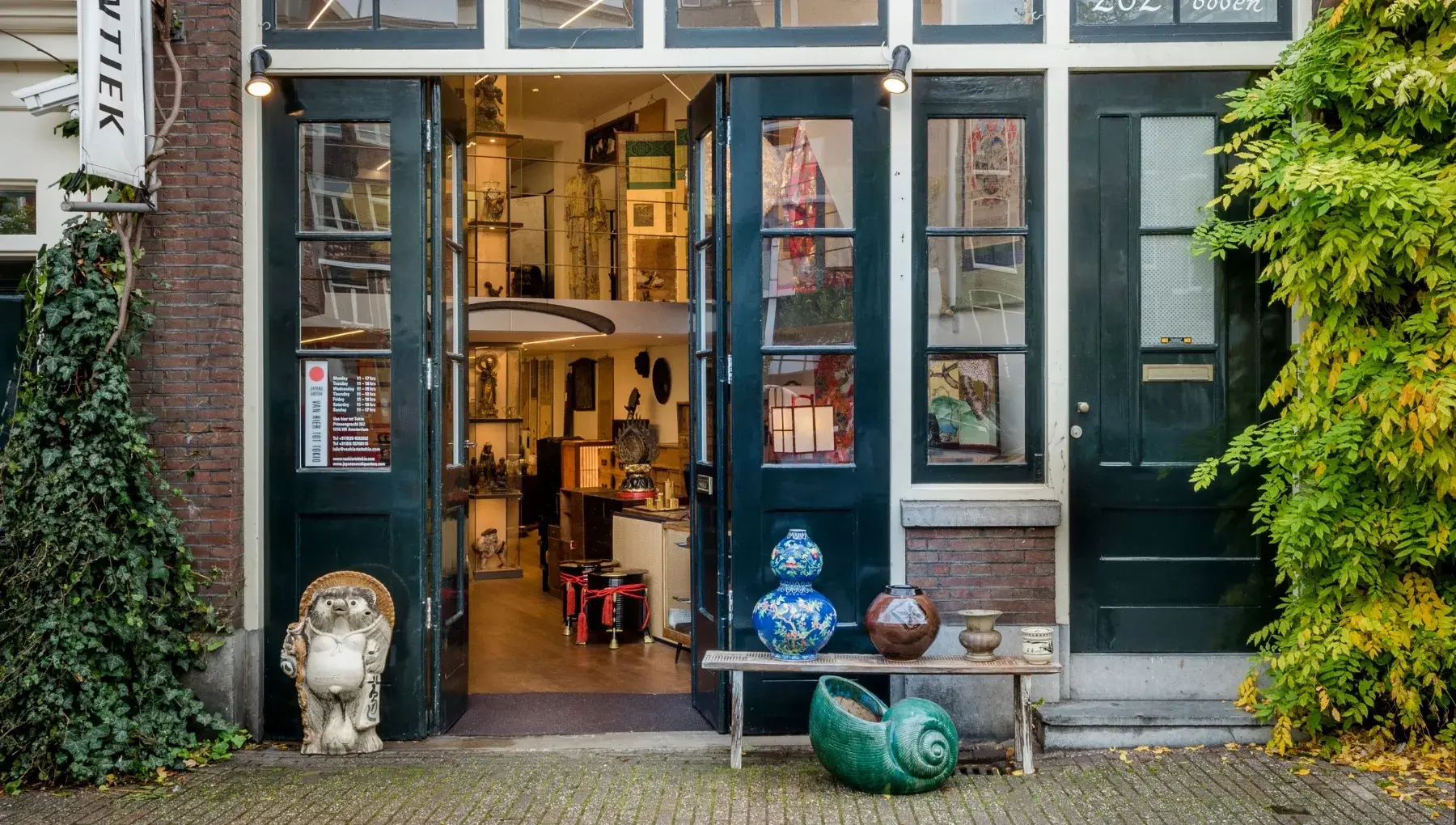
The Netherlands is full of solid, well-made second-hand furniture. You just need to know where to look and what to look for.
Good upcycling begins with a good starting piece. The best finds are rarely the prettiest ones. They are the ones with strong structure and honest material, waiting for someone to see what they could become.
Places to look
Kringloopwinkels (charity and second-hand shops). Almost every town has one, and many have a furniture hall. Stock changes constantly, so it pays to visit often. Go early in the week if you can, and bring measurements and a phone to photograph what you find.
Online marketplaces. Platforms such as Marktplaats are a rich source of used furniture, often for little money or even for free, if you collect it yourself. Search for the type of piece rather than for style words, and check the photos carefully for damage.
Neighbourhood and flea markets. Vlooienmarkten and rommelmarkten are good for smaller items such as chairs, frames, lamps and stools, and for bargaining face to face.
Your own home and family. The most meaningful piece is often already in your attic, your parents' garage or your shed. A chair that has been in the family for decades is a perfect candidate.
Furniture set out for collection. Pieces left for the bulky-waste collection are sometimes still perfectly good. Always check the local rules, and ask if an item is clearly someone's property.
What to check before you buy
- Solid structure. Press and shake the piece. Wobble in the joints is often fixable; a cracked or rotten frame usually is not.
- Real wood. Look at the edges and the back. Solid wood and good veneer can be sanded and refinished. Very thin or swollen chipboard is hard to rework.
- Signs of woodworm. Small round holes and fine dust are a warning. Do not bring infested wood into your home.
- Smell. Damp or smoke smells can be difficult to remove, especially from upholstery.
- Size and transport. Can you get it through your door and onto your transport?
Look for potential, not perfection
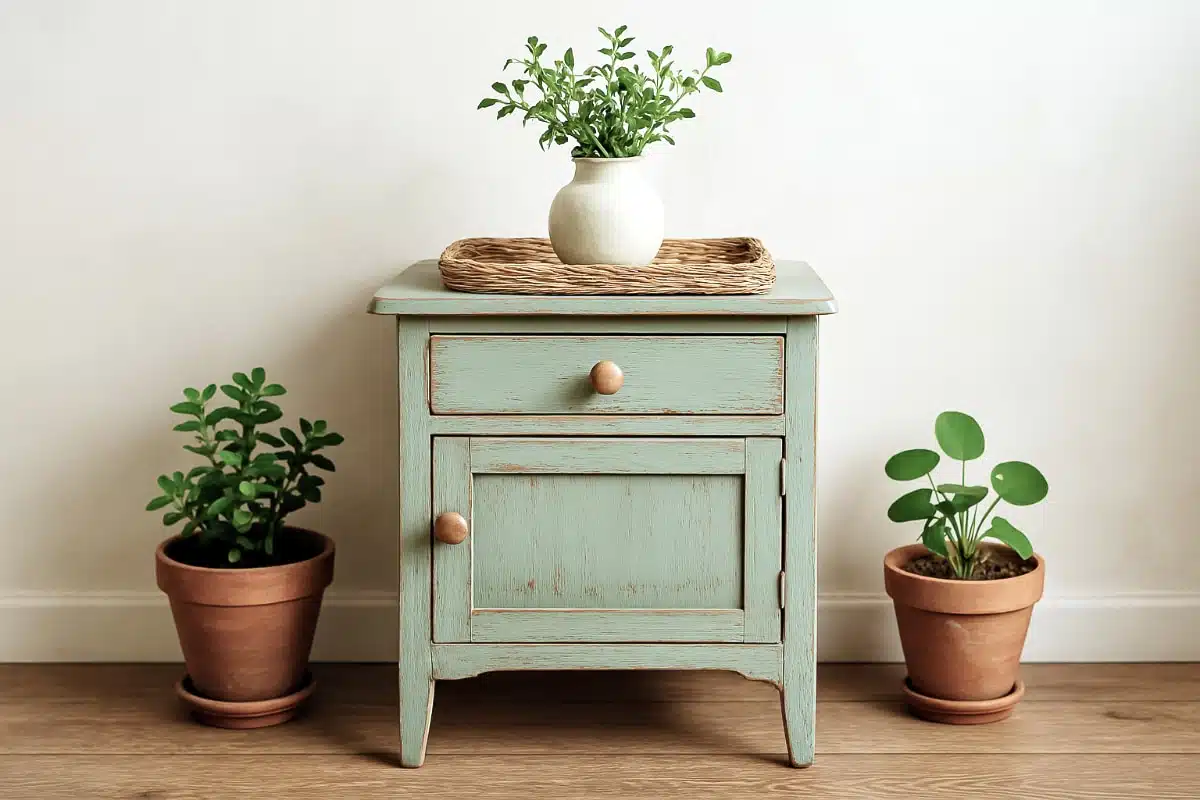
Worn paint, scratched tops and tired fabric are usually cosmetic. Shapes you like, proportions that feel right and details such as turned legs, carved handles or old hinges are what give an upcycled piece its character.
What if you do not want to do the work yourself?
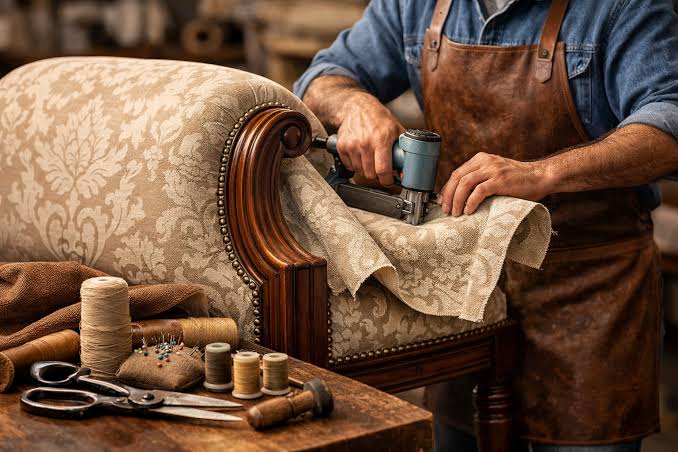
You do not have to. ArtCycle brings together people who own a piece and artists who can transform it. You upload your item, receive proposals from artists and decide together how it is reworked. If you would rather start from a finished piece, you can browse our upcycled collection, or look at the items to revive that artists have found and are ready to transform.
Want to try it yourself?
Pick a small piece for your first project. A side table or a chair is enough. Our workshops in Rotterdam give you the techniques and the guidance, so you finish with a piece you are proud of and the confidence to take on a bigger one.
Sign in to your ArtCycle account to leave a comment.
Sign in to comment ↗