
LOCAL ARTISTS
Why Local Artists Are the Missing Piece in the Circular Economy
The Artists Are Already Here.
The Clients Aren't.
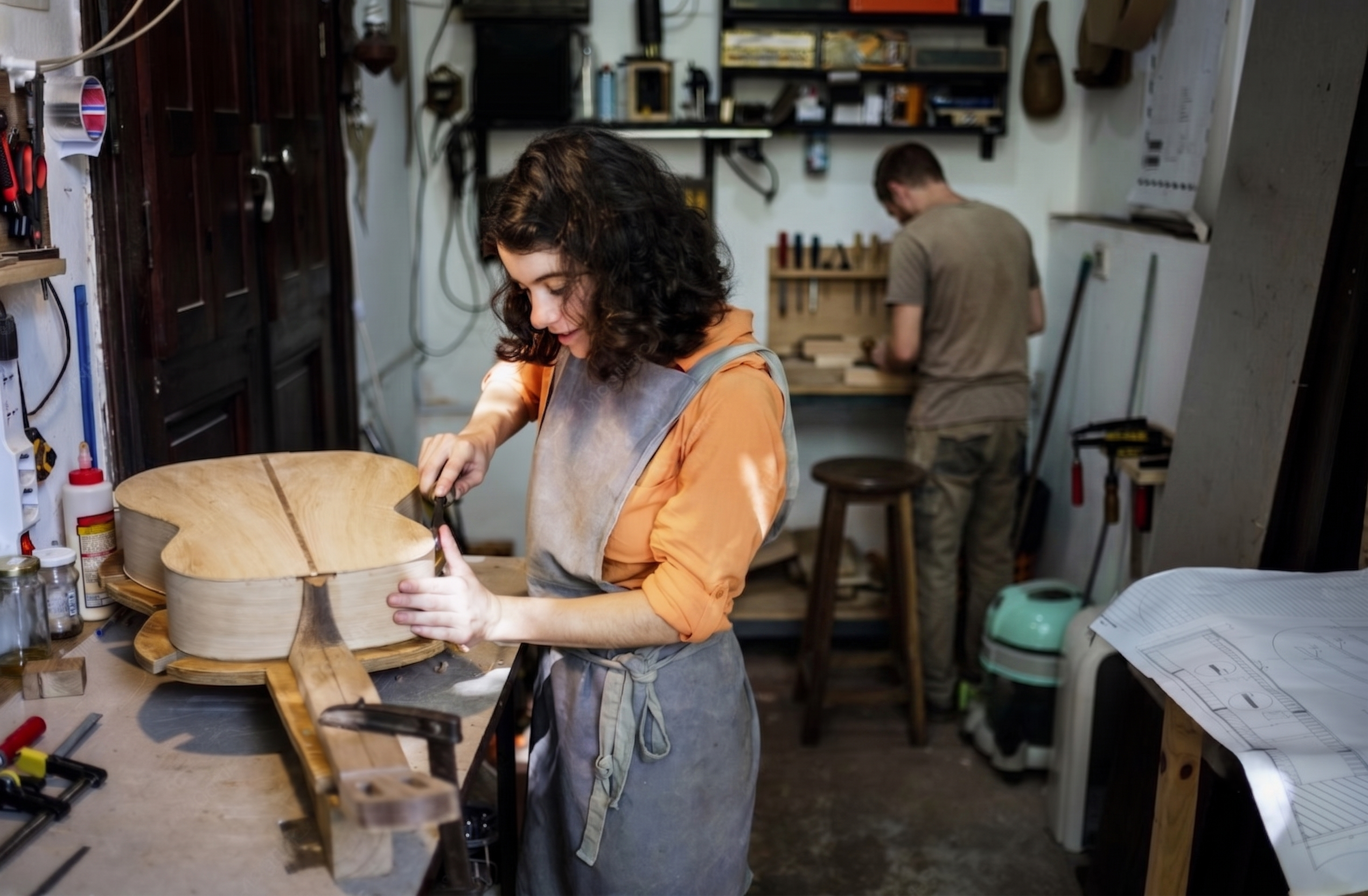
There are about 16,000 visual artists working in the Netherlands right now — people with real, trained skill in woodworking, textiles, metalwork, restoration, and more. According to CBS's 2025 monitor on artists and creative professions, they also have the lowest median income of any creative discipline: around €16,000 a year, well below the roughly €50,000 median for the Dutch workforce as a whole.
Two Problems, Sitting Next to Each Other
That statistic tends to get filed under "the arts are underfunded," which is true but incomplete. Look at it from the other direction and it becomes a circular economy statistic instead. Because at the same time these artists are earning less than almost anyone else in the creative sector, furniture waste across the EU runs 8 to 12 million tonnes a year, 80 to 90 percent of it incinerated or landfilled, much of it by the industry's own reckoning still structurally sound. Two problems, sitting next to each other, largely unaware of each other.
What Recycling Can't See
Recycling systems, for all the genuine progress they represent, can't close that gap. A recycling system processes material efficiently and without sentiment: a chair goes in one end, particle board or timber pulp comes out the other. It's useful. It's also incapable of seeing a chair as anything other than raw material, which means it's incapable of seeing what makes an object worth keeping in the first place.
"An artist sees something different. Not material, but surface, proportion, history — the specific reason someone hesitated before throwing a thing away."
The transformation an artist performs isn't just physical, it's a reassignment of meaning, taking an object that had quietly stopped mattering and making it matter again. You can tell someone how many tonnes of furniture get discarded every year, and the number will not move them nearly as much as showing them a chair that was headed for a skip a month ago and is now the best thing in the room.
This is precisely why Rotterdam's own circular culture initiatives keep reaching for art and design rather than statistics alone. Numbers explain a problem. An object explains a solution, immediately and without translation.
The Bridge That's Missing
What circular design actually needs, in other words, isn't just better recycling infrastructure. It's a reliable bridge between the people with the skill to transform an object and the people whose objects need transforming. Recycling systems have the infrastructure. Artists have the vision. Almost nothing currently connects the two at scale.
That's the specific gap ArtCycle is built to close, one upload at a time. A homeowner submits an item that no longer fits their life. A local artist, someone from that pool of 16,000, proposes what it could become instead. The commission that follows isn't charity or a favour — it's paid, skilled work, the kind that's supposed to exist for craftspeople but too often doesn't.
Recycling will keep doing what it does well. But the objects worth keeping, the ones with good bones and a look that's simply fallen out of favour, need something recycling was never built to offer: someone who can look at them and see what they could become next.
If That's You
On either side of that equation, we'd like to meet you. Upload an item, or explore our artist profiles to see who's already doing this work.
Get Started →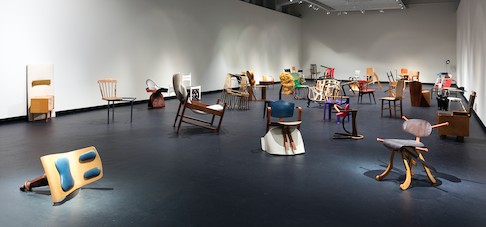
Sign in to your ArtCycle account to leave a comment.
Sign in to comment ↗