
Reflections from Dutch Design Week 2026 - Part 1
Hanaa Yazdi
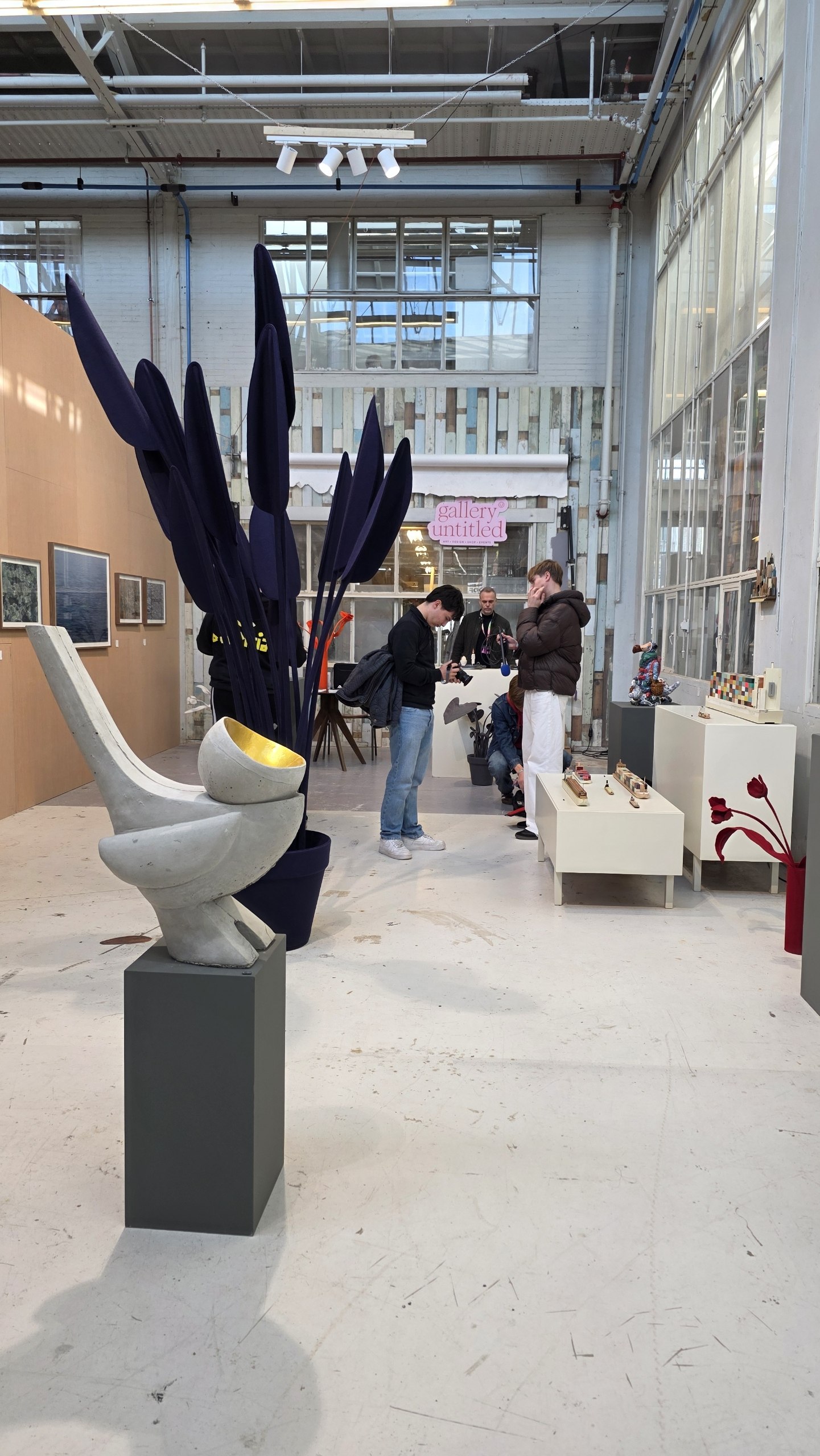
It was a cold October morning in Eindhoven, but Dutch Design Week was already buzzing with activity.
What caught my attention first wasn't a particular design or installation. It was the atmosphere itself.
The festival felt less like an exhibition than a village built out of creativity - color and unexpected detail around every corner, strangers stopping mid-step to look closer. The visitors were as interesting as the work: children, design students, professionals, elderly visitors navigating the halls with walkers. Despite the cold, every generation was out, exploring, questioning, taking part. Design here wasn't reserved for designers. It belonged to everyone standing in that cold.
I'd come to Eindhoven with a specific interest, circular design, furniture, material reuse, the possibilities of giving an object a second life. But the day pushed me toward a bigger question.
Can design change not only the objects we make, but the systems we live in?
Design Beyond the Finished Product
Dutch Design Week has never been only about beautiful objects. Its 2026 edition made that explicit.
The theme was R.A.W. Rebel Authentic Worth, and it put process ahead of product. Instead of polished final pieces, visitors encountered unfinished ideas, material experiments, alternative ways of attacking the same old problems.
The distinction is not cosmetic. A finished product proves something is possible. An experiment interrogates why we make it in the first place, and what happens when we no longer want it.
For circular design, that is the only question that matters.
A chair built from recycled plastic, a table from reclaimed wood: both are improvements over business as usual. But they dodge the larger question. Have we changed the relationship between people, products and resources, or just added one more object to the pile?
Circularity is not a material. It is a decision.
Rethinking Before Recycling
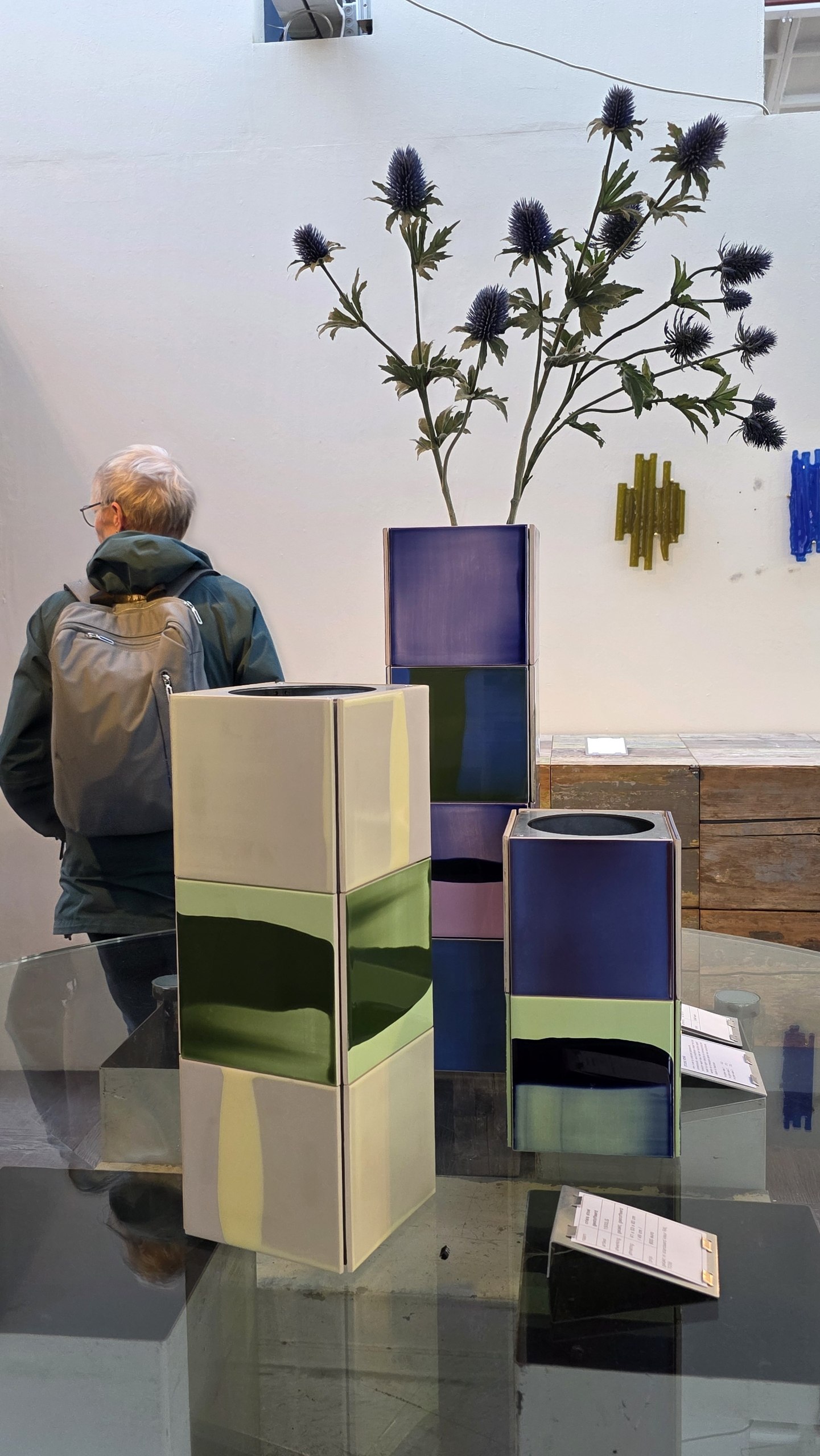
The circular economy gets reduced, constantly, to four words: reduce, reuse, repair, recycle.
They are not interchangeable.
Recycling salvages material after a product is already dead. Repair extends its life. Reuse preserves more still, the labour, the resources, the energy that went into making the thing in the first place.
And before any of them, there is a quieter question: has an object actually reached the end of its life, or have we simply decided that it has?
A damaged chair may need a repair, not a replacement. An outdated cabinet may need a new job, not a new owner. A sofa with worn upholstery but a sound frame may be worth transforming rather than discarding.
Not everything is worth saving. Some interventions cost more, in money, in labour, in material, than the value they create. The skill is in telling the difference, and in matching the intervention to the object.
That is where circular design stops being about materials and starts being about judgment.
A Room Full of Different Futures
The most memorable moment of the day came at Natlab, inside a workshop called Repositioning Circularity: The Rethinking Matrix, part of the festival's Thriving Planet programming.
Instead of sitting and listening, participants answered questions by moving, physically repositioning themselves around the room based on how they responded.
The questions probed attitudes toward the circular economy: expectations for the future, and who gets to shape it, institutions or individuals.
Watching people sort themselves by belief made the differences impossible to miss.
The Dutch participants, as a rule, clustered toward optimism, confident the future could be shaped, and that they had a hand in shaping it. Visitors from elsewhere were more hesitant, less certain the future was theirs to influence at all.
It was one workshop, a small sample, and I left before it ended. I would not call it evidence of anything beyond that room. But the contrast has stayed with me since.
It raised a question I had not expected to carry out of a design festival:
How much does a circular transition depend on whether people believe they have a say in it?
The conversation around circularity tends to run through materials, technology, legislation, business models. Rarely does it run through psychology, through whether people believe their choices matter, whether institutions give them a reason to act, whether the path forward looks real or theoretical.
A brilliant technical solution accomplishes little if the people meant to use it feel shut out of the process.
Circularity, it turns out, is also a human problem.
From Possibility to Practice
The design world has no shortage of ideas: new materials, products built to outlast their owners, entirely new relationships with waste.
What it has a shortage of is distance covered, the space between an idea on a plinth and a habit in someone's kitchen.
An experimental material still has to be manufactured at scale, maintained, used without a manual. A redesigned object still needs someone willing to buy it. A repair service still needs the right hands, the right parts, a customer who would rather fix something than replace it.
None of that makes the work less creative. It makes the work real.
That is the lens worth bringing to a festival like Dutch Design Week: not just whether an idea is clever, but what it would take for that idea to become ordinary. Who would use it. Who would build it. What would it cost. What habits would have to break.
And the hardest question of all: what would make someone choose it over what they already know?
What We Choose to Keep
Working on ArtCycle has sharpened one question for me past anything else: what is actually worth saving?
It is tempting to treat circularity as a mandate to rescue everything. It is not. Meaningful reuse takes judgment, not sentiment.
Some objects hold valuable material. Others hold craftsmanship, or memory, or a structural integrity that would be expensive to replicate. Some simply have a second function waiting inside them, if anyone bothers to look.
Spotting that potential is the easy part. The hard part is the path to it, repair, adaptation, transformation, and the discipline to admit when an intervention fails, and why.
Dutch Design Week made the case for both halves of that equation. Design needs people willing to question what we assume. It also needs people willing to test those assumptions against the world, where good ideas meet bad logistics and the math doesn't always work.
Imagination without implementation is just an exhibition that closes on schedule.
Beyond Waste
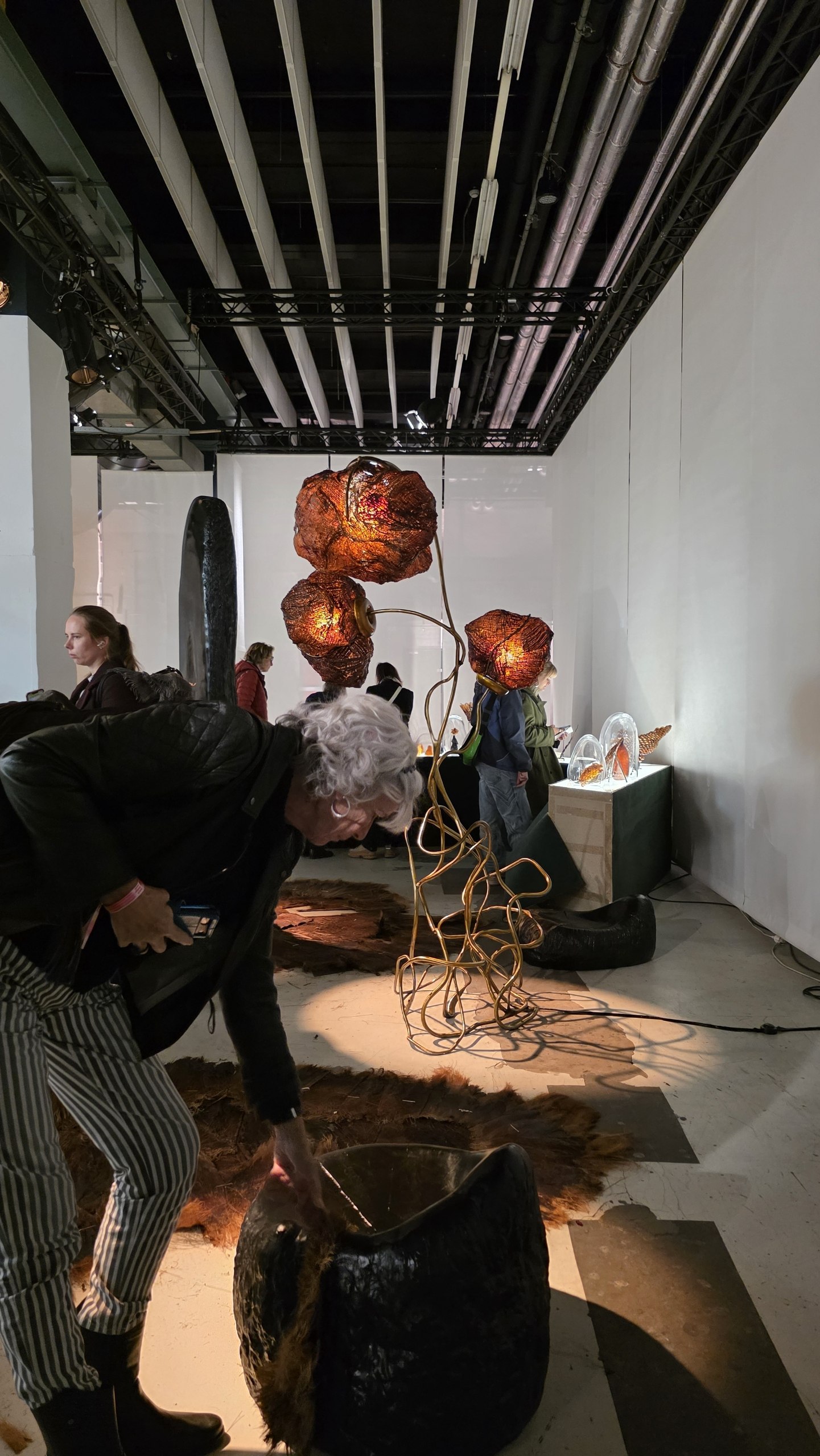
I left Eindhoven with more questions than I arrived with. That felt like the right outcome.
What should we keep. What has to change. Who decides. How do we get from talking about a circular future to building one.
If Dutch Design Week 2026 taught me anything, it is that design cannot solve every problem by itself. What it can do is make the assumptions behind those problems visible, the ones that make them feel inevitable.
That may be where circular design actually starts: not with finding a new use for waste, but with asking why we called it waste in the first place.
This is the first article in ArtCycle's Beyond Waste series, reflecting on Dutch Design Week 2026. The next two look at furniture and material reuse through the work shown around Piet Hein Eek, then the wider design landscape of Strijp-S.
Further Reading
- Dutch Design Week 2026 , Theme: R.A.W.
- Mission Day: Thriving Planet
- Repositioning Circularity: The Rethinking Matrix
Sign in to your ArtCycle account to leave a comment.
Sign in to comment ↗