
CIRCULAR ECONOMY
International Repair Day Is This Saturday. The Data Favors What Doesn't Plug In.
International Repair Day returns October 17, its tenth year.
The global data behind it shows furniture, textiles, and household items get fixed more often than anything with a plug.
Check the global data behind the day, and the things that aren't electronics, furniture included, get fixed more often than almost anything that plugs in.
October 17, 2026 marks the tenth International Repair Day, coordinated by the Restart Project together with the Open Repair Alliance and 23 partner organisations worldwide. This year's theme is simple: "Repairing Unites People." Hundreds of events are already on the map, from an XL Repair Café in Bühl to a repair festival in Vienna to textile repair workshops at Derby's Museum of Making, with more being added through October 25 at repairday.org.
A Dutch Idea That Spread to 50 Countries
The concept behind all of it started in Amsterdam in 2009, when environmental activist Martine Postma opened the first Repair Café. As of the last count, in late 2024, the Netherlands alone had grown to nearly 700 Repair Cafés, most meeting around a dozen times a year and fixing an average of 70% of what people bring in, an estimated 150,000 repaired items annually across the Dutch network. The idea has since spread to roughly 50 countries, and the Repair Café Foundation remains one of International Repair Day's official partners.
What Actually Gets Fixed, By the Numbers
The Open Repair Alliance, the global network behind Repair Day's data, logged 441,068 repair attempts across 32 countries since it started tracking, 131,790 of them in the past twelve months alone. About two-thirds of everything logged is electronics: vacuum cleaners top the list at over 25,000 attempts, followed by lamps, power tools, hi-fi equipment, and coffee makers, the kind of appliances that are often glued shut and built around parts nobody stocks.
Electronics are also the hardest things to actually fix. Items in that category get successfully repaired 54% of the time. Textiles come in at 88%, the highest of any category tracked.
Household items sit at 83%. Bicycles, also 83%. Furniture logged 7,631 attempts in the same dataset. The Alliance hasn't published a repair success rate for furniture on its own yet, but the pattern across everything it has measured holds without exception: no electronics category beats any non-electronics category.
What This Actually Shows
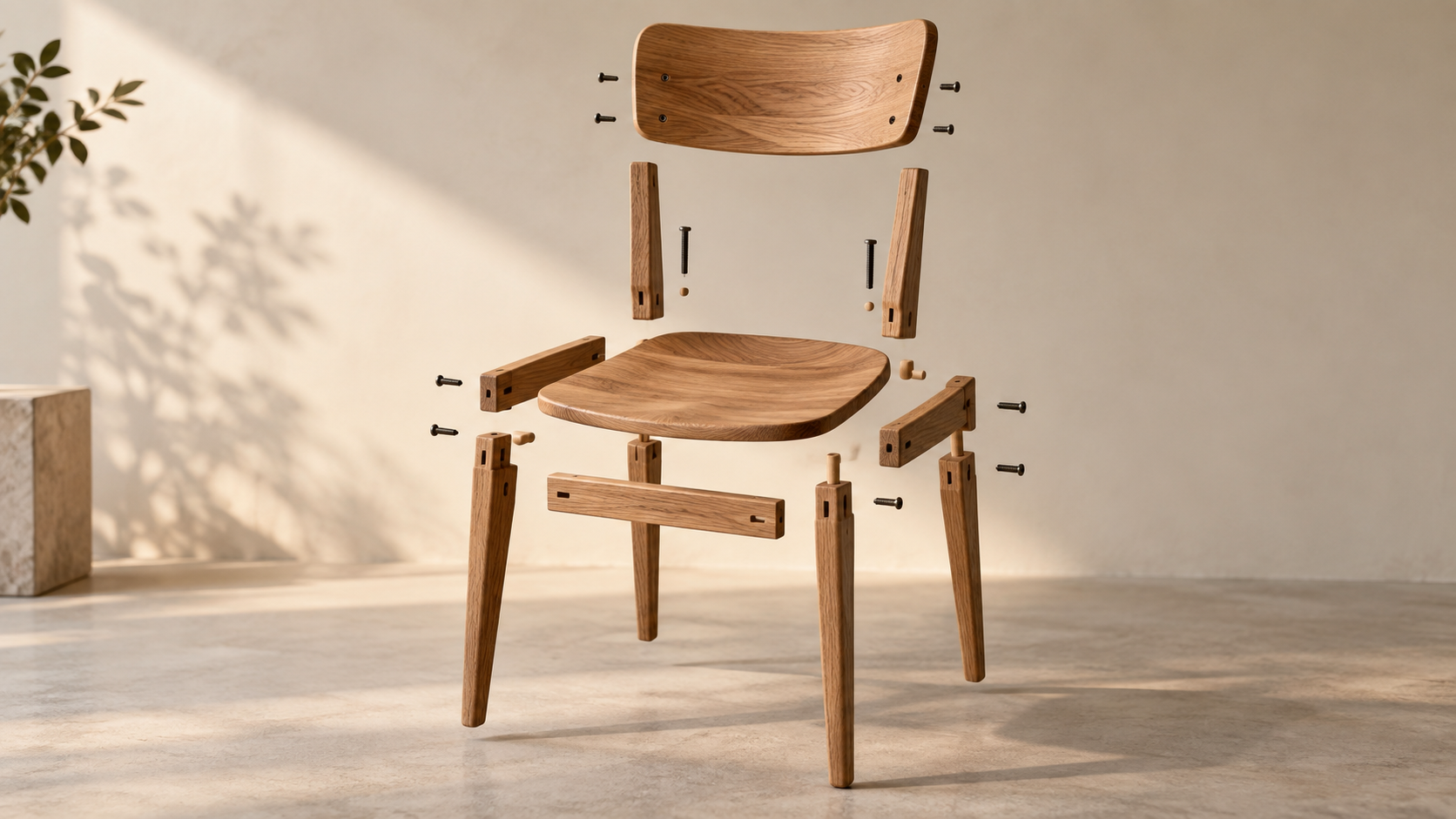
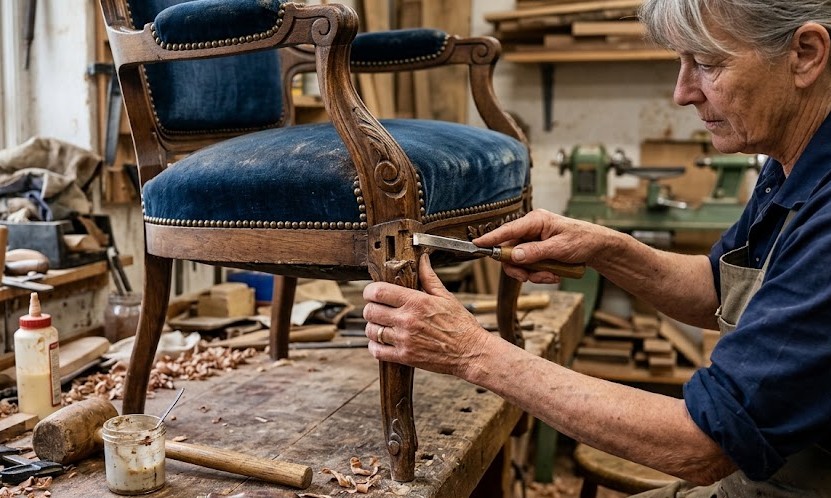
The reason isn't really a mystery. A wobbly chair leg or a loose drawer is a mechanical problem, solvable with a clamp, some wood glue, and patience. A coffee maker with a dead circuit board is a different kind of problem entirely, often one the manufacturer never designed to be opened at all. The data behind Europe's biggest repair event quietly makes a point its organisers weren't necessarily trying to make: the things built from screws and joints get a second life far more reliably than the things built from firmware and proprietary parts.
That's the same bet ArtCycle's artists make, one step further than repair. A Repair Café fixes what's broken. Our artists take a piece that still has life left and give it a reason to be kept, not just working again but worth keeping.
Keep an Eye Out
Repair Day itself falls on October 17, but organisers are adding events through October 25, searchable at repairday.org. In the Netherlands, with close to 700 Repair Cafés running multiple times a year as of the last count, there is likely one within a short bike ride of wherever you're reading this.
What Repair Can't Finish, Our Artists Can
A Repair Café fixes what's broken. Our network of local artists takes the next step, turning furniture and household pieces that still have life left into something made to be kept.
Meet the Artists →Sources: Repair Café International · Repair Day (Restart Project / Open Repair Alliance) · Open Repair Alliance 2025 data release · NOS · Wikipedia

Sign in to your ArtCycle account to leave a comment.
Sign in to comment ↗